10 Things You Need to Know About the Uber and Lyft Apps Before You Install Them

Last Updated: February 24th, 2020
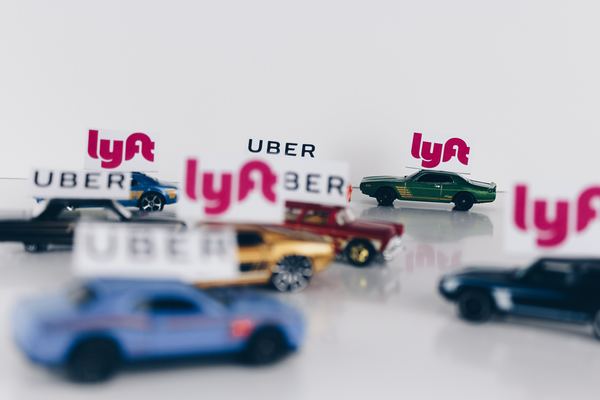 Guest Post by Victoria Schmid
If you live in a city, it’s hard to miss the rising popularity of ride-sharing services like Uber and Lyft. In the past few years, these mobile platforms that match riders with vetted drivers have grown rapidly. Uber operates in forty-five countries and cities around the world — from Anchorage in Alaska to Zurich in Switzerland. Lyft has expanded in the United States, opening up to drivers across forty states and ensuring nine out of ten Americans have access to ride sharing. With such unprecedented availability, ride sharing is expected to continue to grow.
Uber and Lyft’s appeal rests on offering an alternative to customers who want to avoid using their own vehicles for every trip, dealing with traffic, or driving home after a night out. Before you hail that first ride, though, it’s essential to understand what you’re signing up for and the critical differences between Uber and Lyft.
1. Uber and Lyft are mobile only
If you want a ride, you’ll have to download the app on your smartphone. Uber and Lyft only come as mobile apps and require a strong, reliable internet connection. If you're not sure your internet connection is up to speed, you can check with this quick test online. Once you've downloaded the mobile app, you'll do some basic setup regarding your personal and payment information, and then you're ready to hit the open road.
2. Uber and Lyft are popular
Uber and Lyft are the most popular ride-sharing platforms in the United States, and chances are you’re in the coverage area of at least one if not both companies. Since 2010, more than five billion people across the world have taken a ride with Uber. Lyft, which was founded in 2012 and is available only in the United States, hit one million rides in 2017.
3. For Uber and Lyft, ratings are a two-way street
Both platforms allow drivers and riders to rate each other based on the quality of the ride and the overall interaction. This setup not only helps you have confidence about the competence of your driver and the condition of the vehicle but also makes the relationship a more courteous one for both parties.
4. Uber and Lyft focus on safety
Ride-sharing companies have adopted features to improve safety for customers and drivers. Uber has an emergency button in the mobile app to sound the alert if you feel unsafe during a ride. Uber and Lyft have the option to share your route with a friend, and both platforms have 24/7 response teams dedicated to handling your concerns.
5. Uber and Lyft disclose the cost up front
Both platforms tell you up front how much your trip will cost. The estimate is based on your pickup location, destination, type of service, and time of day. Be warned that if you change your destination during the ride, you’ll risk incurring an additional.
6. With Uber and Lyft, beware of surge pricing
Uber calls it surge pricing. Lyft calls it primetime. However, they both charge a higher rate given the volume the platform is currently experiencing. If it's rush hour, your ride is going to cost more than it would in the middle of the afternoon. While Lyft’s prices may be more economical during high volume times, both platforms have similar pricing overall.
7. Uber and Lyft have different levels of service
When you open either app, you’ll be asked to specify the kind of vehicle you need. Uber has different levels of service based on how many people, how much luggage, and the type of car you'd prefer. Lyft takes a similar approach with Lyft Plus for up to six passengers or Lyft Lux, a premium black-SUV service.
8. Uber and Lyft both offer carpool options
If you’d like to save a few bucks on your ride and save the environment, you can select a carpool service: "uberPOOL" or Lyft’s "Shared Ride." Each matches you to passengers traveling in your direction who are willing to share a vehicle and split the cost of the ride.
9. Uber and Lyft charge cancellation fees
If you suddenly decide you no longer need a ride, you could be charged a cancellation fee. For Uber, some cities bill a fee if you cancel more than two minutes after your request. Lyft has similar stipulations, including fees for shared rides if you don’t show up within one minute of your driver’s arrival.
10. Lyft drivers report higher satisfaction than Uber drivers
There are many similarities between these ride-sharing services, but driver satisfaction is a key difference. While Uber's signup bonuses are large, Lyft drivers tend to make more per month. Finally, roughly 75 percent of Lyft drivers report satisfaction with their experience while under 50 percent of Uber drivers say the same.
Go the distance with ride sharing
Whether you choose to download Uber or Lyft, it’s clear that ride-sharing platforms are here to stay. When you’re stateside, Lyft may be a better deal to get where you need to go, but in cities worldwide, it’s Uber that’ll meet you curbside. Learn more about how Lyft, Uber, and other ride-sharing companies rank before you get taken for a ride.
Victoria Schmid enjoys writing about technology for the “everyday” person. She is a specialist in online business marketing and consumer technology. She has a background in broadcast journalism.
The Top Car Sharing Companies



The Top Car Sharing Companies
Related Articles
May 22nd, 2020
April 28th, 2021
Car Sharing
US Car Sharing Providers By Location
June 26th, 2019
Get Our Newsletter - Be in the Know
Sign up below to receive a monthly newsletter containing relevant news, resources and expert tips on Car Sharing and other products and services.
We promise not to spam you. Unsubscribe at any time. Privacy Policy